Is Your CRM Actually Helping — or Just Sitting There?
Most small businesses pay for a CRM they never fully use. Here is how to tell whether yours is a genuine growth tool or an expensive address book.
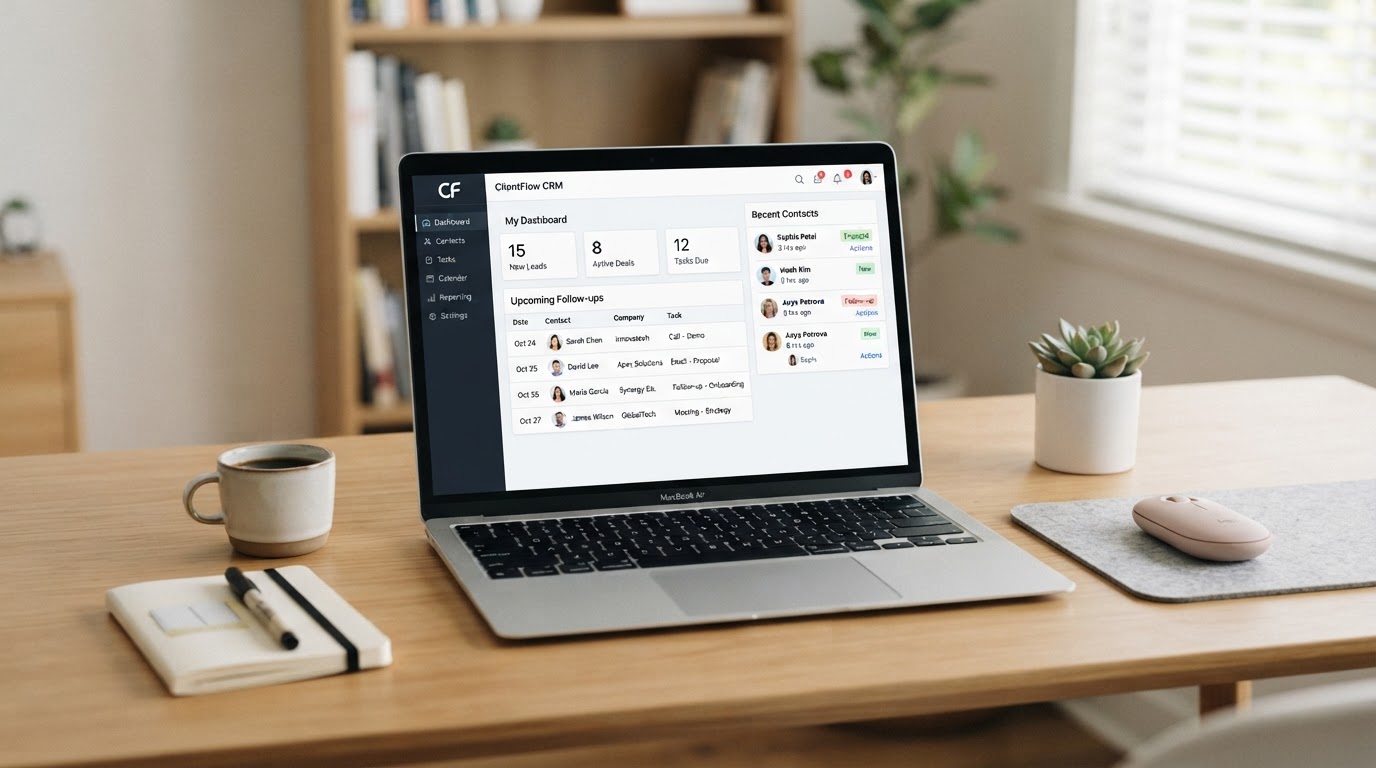
- A CRM only creates value when it drives action, not just stores data.
- If your team avoids using it, the system is too complex for your business.
- The best CRMs automate follow-ups, reminders, and review requests without manual input.
- A simple, well-connected system beats a powerful one nobody touches.
There is a common pattern in small businesses: a CRM gets bought with the best intentions, data is entered for two weeks, and then it slowly becomes a neglected address book that nobody opens. The subscription keeps charging, the value never arrives.
The problem is rarely the software. It's the fit. Most CRMs are built for large sales teams with dedicated administrators. For a busy owner-operator, a system that needs ten clicks to log a single call is a system that won't get used.
A CRM should do three things well: capture every enquiry in one place, remind you to follow up at the right moment, and trigger automated actions like review requests and appointment reminders. If yours isn't doing those things, it's dead weight.
The goal isn't more features — it's the right features, connected to your website, phone, and booking process so information flows in automatically. When the system does the remembering for you, you stop dropping leads and start building real customer relationships.
Get a CRM That Actually Works for Your Business
We set up simple, connected systems that capture leads and follow up automatically — no complex dashboards required.
Your Business Doesn't Need More Complicated Technology. It Needs Better Systems.
Tell us where your business is today, where you want it to go and what is currently getting in the way. We'll help identify the systems that could make the biggest difference.